
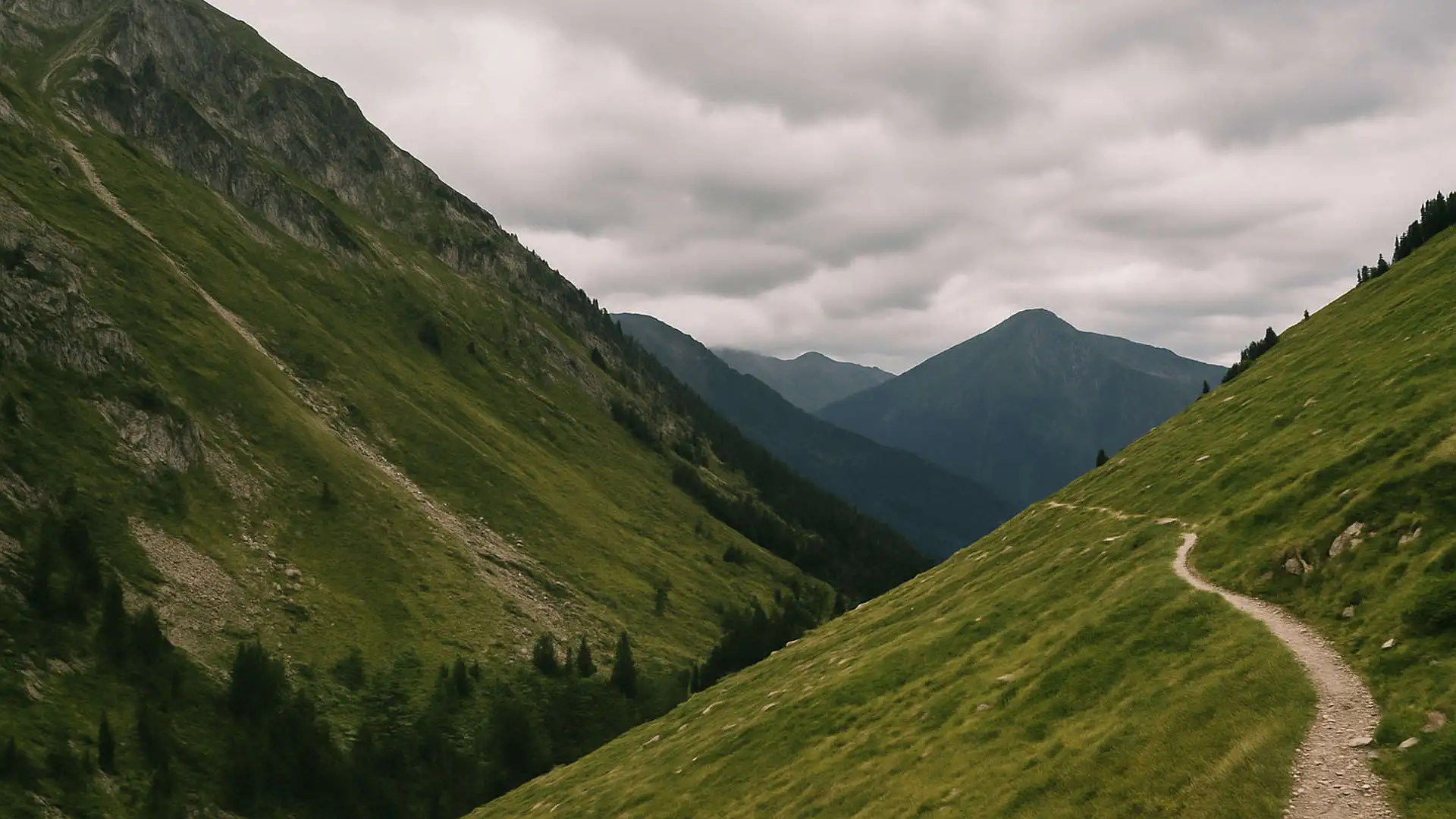
WWII History Hidden in the Pyrenees
From safe houses to secret crossings between France, Spain, and Andorra.
During World War II, the Pyrenees became one of Europe’s most important escape frontiers. Refugees, Allied airmen, resistance couriers, and forced labor evaders crossed the mountains from occupied France toward neutral Spain.
These journeys depended on more than courage. They required local guides, safe houses, hidden paths, false papers, and discreet support networks across regions such as Pallars Sobirà, Val d’Aran, Alt Urgell, Cerdanya, and Andorra.
Why the Pyrenees Mattered During WWII
The Pyrenees formed the natural border between France and Spain. After Nazi occupation expanded across France, these mountains became a possible route out of danger for people trying to reach Spain, Portugal, Britain, or other safer destinations.
But the crossing was never simple. The terrain was steep, weather conditions could change quickly, and German patrols, informers, and border controls made movement dangerous. The mountains offered protection, but they also demanded endurance and local knowledge.
Safe Houses and Local Support Networks
Safe houses were essential to many escape operations. They could be isolated farms, village homes, mountain shelters, rectories, or discreet houses owned by people willing to take serious risks.
Those who helped were often shepherds, smugglers, priests, resistance contacts, or local families. They provided food, rest, information, and sometimes false documents before fugitives continued toward the next crossing point.
Many of these places were never formally marked. Their history survives through archives, memoirs, local memory, and research into the escape networks that operated across the Pyrenees.
Key Escape Areas in the Pyrenees
Pallars Sobirà was one of the most important areas for crossings into Catalonia, especially for routes descending from the French side toward Sort and nearby valleys.
Val d’Aran also played a role in several escape movements because of its direct orientation toward France and its high mountain geography.
Alt Urgell and Andorra were connected with clandestine movement, smuggling routes, and border crossings where local knowledge was essential. Cerdanya and Ripollès also formed part of the wider Pyrenean escape geography.
How Secret Crossings Worked
Escape routes were not always fixed trails. Guides adapted the path according to weather, patrols, snow conditions, group strength, and the risk of being seen.
Many crossings followed mule tracks, shepherd paths, forest routes, and old smuggling trails. Night movement was common because darkness offered protection, though it also increased the danger of falls, exhaustion, and disorientation.
This is why the human network mattered as much as the geography. A successful crossing depended on timing, trust, silence, and the ability of local guides to read the landscape.
Can You Visit These WWII Places Today?
Yes, but many of these places are quiet and require context. Some routes are now marked or partially documented, while others remain difficult to understand without historical interpretation.
For travelers interested in the subject, the value is not only in seeing a mountain path. It is in understanding what the landscape meant during WWII: danger, uncertainty, courage, and the possibility of survival.
For a wider overview of the routes, see the guide to WWII escape route maps across the Pyrenees.
Why This Hidden History Still Matters
The WWII history of the Pyrenees is not limited to famous battles or major cities. Much of it happened in isolated valleys, border villages, farms, mountain shelters, and silent paths.
These stories show how ordinary people became part of a wider history of resistance and survival. They also explain why the Pyrenees remain one of the most meaningful landscapes for understanding escape from Nazi-occupied Europe.
Understanding WWII History in the Pyrenees
The Pyrenees were not only a border. During WWII, they became a hidden corridor shaped by safe houses, secret crossings, local guides, and the determination of people trying to survive.
To understand this history properly, it is important to look beyond the trail itself and consider the full network: the people who guided, sheltered, warned, fed, and protected those who crossed.
For travelers studying WWII escape routes in the Pyrenees, you may also find useful:
Exploring WWII Escape Routes from Barcelona
This private experience follows the hidden history of Pyrenean escape routes through landscape, border geography, and research-based storytelling.
Explore the WWII Escape Route Tour