
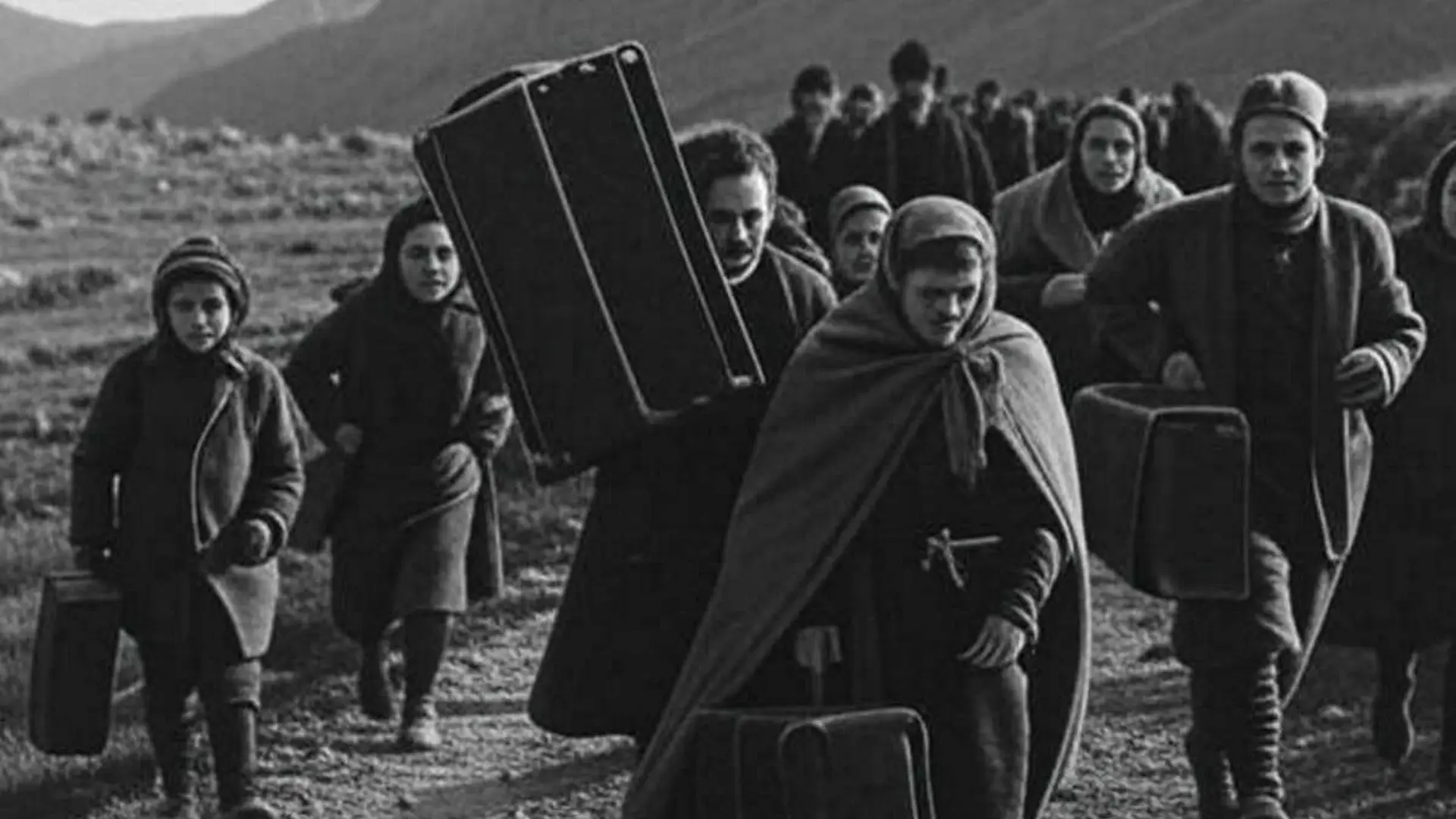
Jewish Refugees Escaping Over the Pyrenees in WWII
The mountain crossings, hidden routes, and human risks behind one of Europe’s wartime escape corridors.
During WWII, thousands of Jewish refugees crossed the Pyrenees to escape Nazi-occupied Europe. Many entered neutral Spain through difficult mountain routes in Catalonia, Andorra, the Val d’Aran, and nearby border regions.
These crossings were dangerous, often made at night, and depended on resistance networks, smugglers, local guides, and extraordinary personal courage.
Why Did Jewish Refugees Cross the Pyrenees?
For many Jewish refugees, the Pyrenees represented the last physical barrier between Nazi-controlled Europe and neutral Spain. The mountains offered concealment from patrols, but they also created serious risks: cold, altitude, exhaustion, arrest, and the possibility of being sent back.
The routes were rarely simple paths. Some refugees followed shepherd trails, forest tracks, and remote mountain passes. Others moved through towns such as Sort, La Seu d’Urgell, or border areas connected with Andorra and the Catalan Pyrenees.
Important Jewish Escape Routes in the Pyrenees
There was no single Jewish refugee route across the Pyrenees. Different networks, guides, and local conditions shaped each crossing.
- The Sort–Andorra corridor: one of the important routes through the Catalan Pyrenees, often linked with Sort, La Seu d’Urgell, and onward movement toward Andorra or Spain.
- The Chemin de la Liberté: better known for Allied airmen and resistance escapes, but also connected to wider refugee movement across the mountains.
- Val d’Aran crossings: isolated and difficult routes through high Pyrenean terrain, often exposed to severe weather and demanding conditions.
For a broader view of mapped wartime crossings, see the guide to WWII escape route maps in the Pyrenees.
The Risks: Capture, Imprisonment, and Survival
Crossing the Pyrenees did not guarantee safety. Some refugees were captured before reaching Spain. Others were detained after crossing the border, including in places such as Sort, where the preserved prison remains part of this history.
Many refugees moved in silence, often at night, carrying little and depending on people they barely knew. Local guides, smugglers, resistance members, and ordinary villagers could mean the difference between survival and arrest.
To understand this part of the story more clearly, the article on Sort prison and the refugee trail in the Pyrenees explains what happened to some escapees after they reached Spanish territory.
Can You Follow Jewish Refugee Routes Today?
Yes, parts of these routes can still be followed today, although not every historical path is suitable or clearly marked. Some routes are long mountain treks, while others can be understood through selected sites, border landscapes, memorial points, and preserved historical locations.
This is especially important for travelers who want historical context without committing to a multi-day hike. A carefully structured route can help connect the geography, the wartime decisions, and the human stories behind the crossings.
Why These Routes Still Matter
The Jewish refugee crossings over the Pyrenees are not only mountain history. They are part of a wider story of persecution, resistance, survival, and moral courage.
These routes show how geography shaped human fate during WWII. A mountain pass, a hidden guide, a farmhouse, or a border village could become part of a life-saving chain.
For a wider introduction to this historical landscape, see the main guide to WWII escape routes in the Pyrenees.
Understanding the Jewish Refugee Crossings
Jewish refugees crossed the Pyrenees because the mountains offered one of the few possible paths toward safety. The journey was dangerous, uncertain, and deeply dependent on human courage — both from those escaping and from those who helped them.
Today, these routes can still be explored with care, context, and respect. The most meaningful experience is not simply walking a trail, but understanding the decisions, risks, and hidden networks behind it.
For travelers planning to understand this history more deeply, you may also find useful:
Exploring WWII Escape Routes from Barcelona
For travelers who want to understand these routes through historical context, landscape, and documented stories, a private WWII escape route tour offers a structured way to explore this history from Barcelona.
Explore the WWII Escape Route Tour