
Pat O’Leary Line: One of WWII’s Major Escape Networks
How a vast resistance network helped Allied airmen and fugitives travel from occupied Europe to Spain during World War II.
The Pat O’Leary Line was one of the largest and most influential escape networks operating in occupied Europe during World War II.
Named after Albert Guérisse, who used the alias “Pat O’Leary,” the network helped Allied airmen, resistance members, and other fugitives evade capture and move toward safety.
Like the Comet Line, it depended on an extensive chain of local contacts, safe houses, couriers, and guides who accepted enormous personal risks.
What Was the Pat O’Leary Line?
The Pat O’Leary Line was an escape organization established shortly after the German occupation of France.
Its purpose was to assist Allied servicemen stranded behind enemy lines and guide them toward neutral territory.
The network operated across multiple regions of France and eventually connected with routes leading toward Spain and the Pyrenees.
At its height, it became one of the most extensive escape systems in occupied Europe.
Who Was Pat O’Leary?
The name “Pat O’Leary” was actually a pseudonym.
The network’s most famous leader was Belgian doctor Albert Guérisse, who adopted the alias while working within resistance circles.
Although the organization evolved over time and involved many different individuals, the name remained associated with the escape line throughout the war.
Today, historians continue to recognize the Pat O’Leary Line as one of the most significant Allied escape networks of the conflict.
How Did the Network Operate?
The network relied on a carefully organized chain of assistance.
Once an Allied airman or escapee was identified, local contacts would provide shelter, civilian clothing, false documents, and transportation.
The fugitive would then move between safe houses before eventually reaching southern France and the routes leading toward Spain.
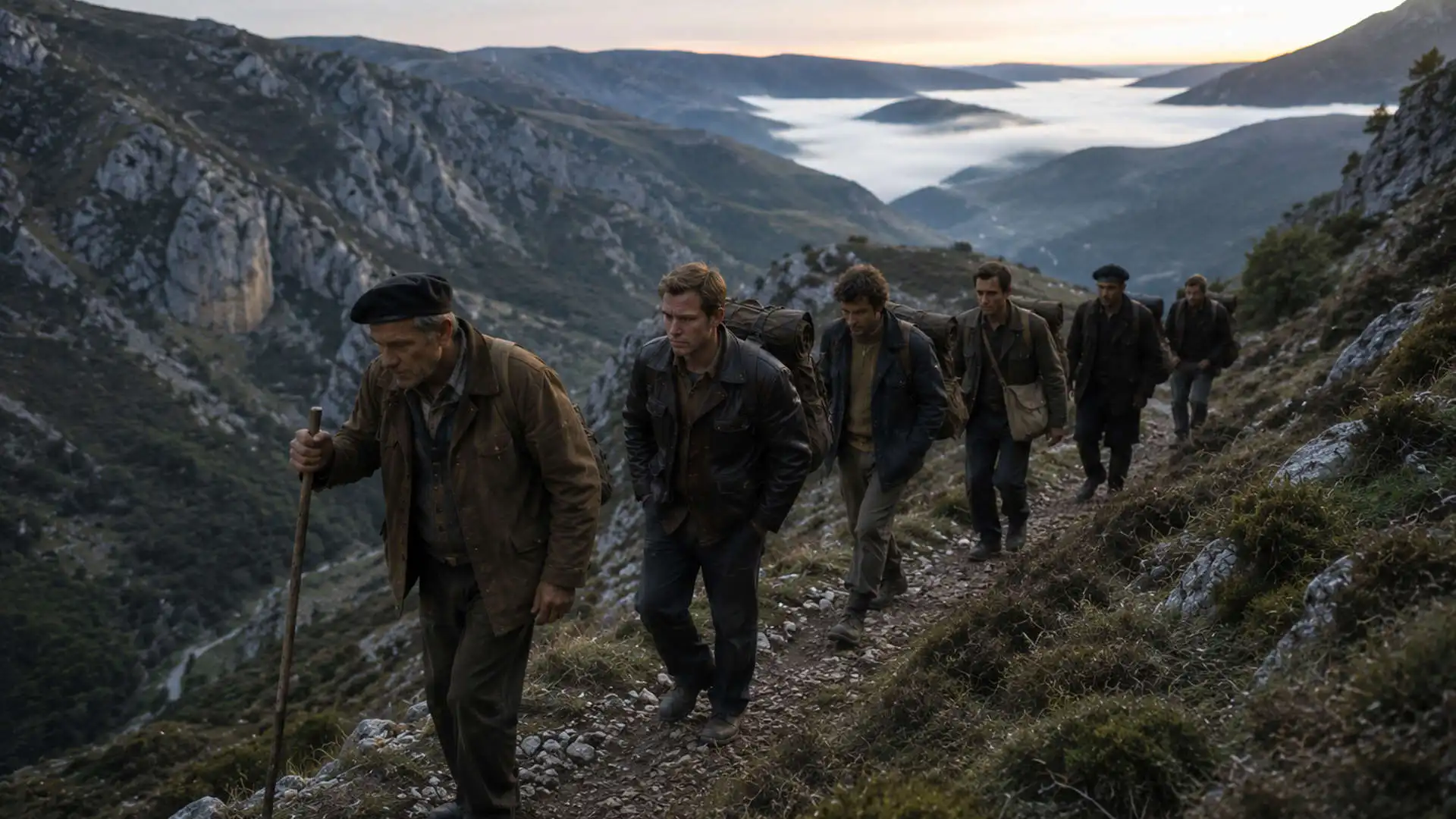
The final stage often involved crossing the Pyrenees with the assistance of local guides and passeurs familiar with the mountains.
The Role of the Pyrenees
The Pyrenees formed the final barrier between occupied Europe and neutral Spain.
For many escapees assisted by the Pat O’Leary Line, the mountain crossing represented the most physically demanding stage of the journey.
Routes varied according to circumstances, but all required careful planning and trusted local assistance.
The mountains became the gateway through which many Allied personnel ultimately regained their freedom.
The Risks Faced by the Network
The Pat O’Leary Line operated under constant threat.
German intelligence services devoted significant resources to identifying and dismantling escape organizations.
Many members of the network were arrested, imprisoned, deported, or executed.
Despite these dangers, the network continued to function and successfully assisted hundreds of escapees throughout the war.
Pat O’Leary Line and the Wider Escape System
The Pat O’Leary Line was not the only escape organization operating during WWII.
Other networks, including the Comet Line, local resistance groups, and independent passeurs, also contributed to moving people across the Pyrenees.
Together, these networks formed a complex system of cooperation that helped thousands escape Nazi-controlled Europe.
Understanding the Pat O’Leary Line helps place the broader Pyrenean escape story into context.
Why the Pat O’Leary Line Still Matters
he Pat O’Leary Line illustrates the scale and organization required to move people safely across occupied Europe during wartime.
Its success depended not on military force but on trust, secrecy, local knowledge, and extraordinary personal commitment.
Today, its story remains an important part of the wider history of WWII escape routes across the Pyrenees.
For further reading:
Exploring WWII Escape Routes from Barcelona
The mountain landscapes, border regions, and historical corridors connected with these escape networks can still be explored today through research-based historical interpretation.
Explore the WWII Escape Route Tour