
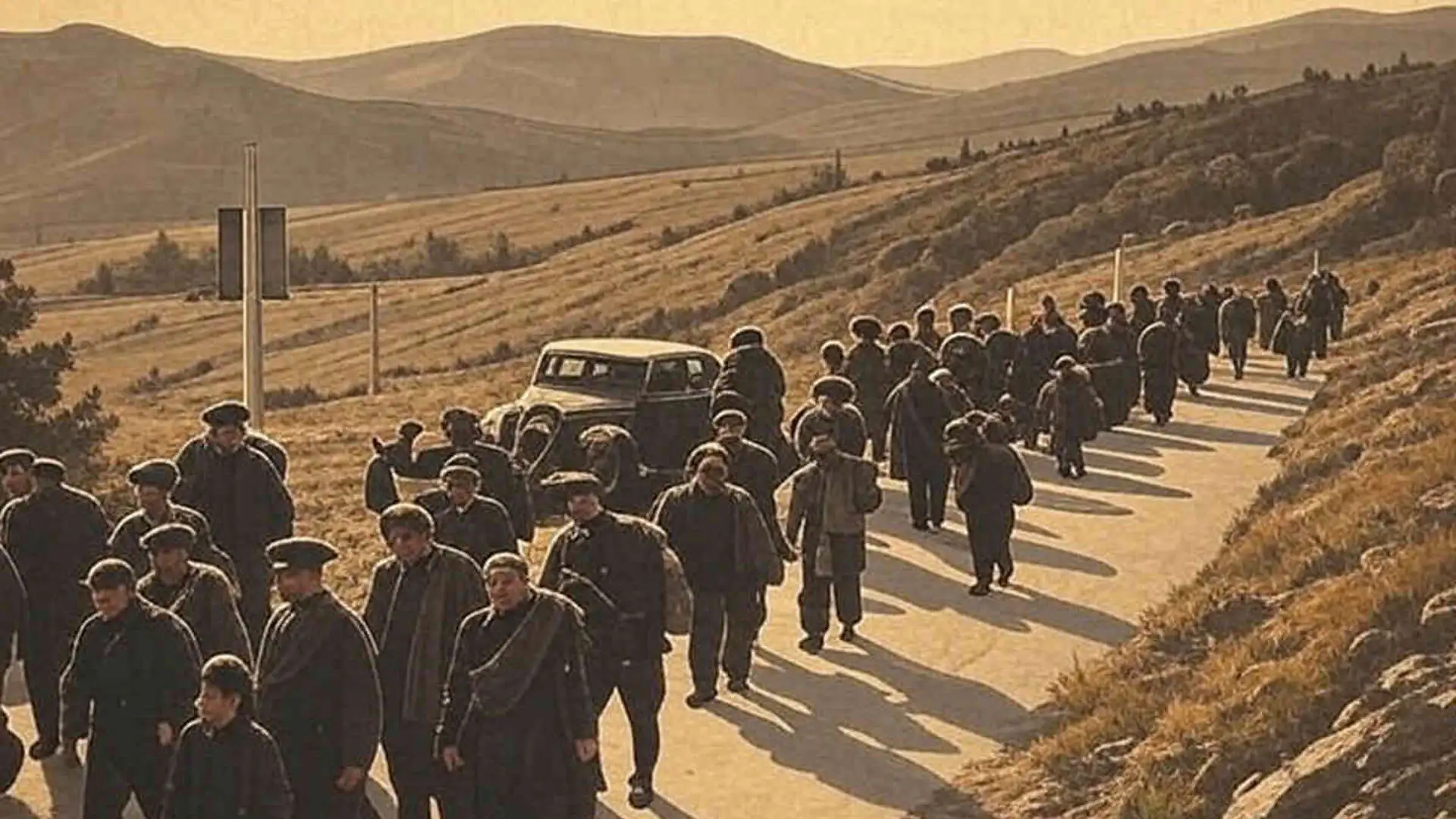
WWII Escape Routes Over the Pyrenees
How refugees, Allied airmen, resistance members, and local guides crossed the mountains between occupied France and neutral Spain during World War II.
Many of the most remarkable escape stories of World War II took place far from the battlefields.
Between 1940 and 1944, thousands of people crossed the Pyrenees seeking freedom. Jewish refugees, Allied airmen, resistance fighters, political fugitives, and escaped prisoners all followed mountain routes linking France, Spain, Andorra, and Catalonia.
Some routes became well known. Others remained hidden for decades. Together they formed one of Europe’s most important networks of wartime escape corridors.
Why Were the Pyrenees So Important During WWII?
The Pyrenees form a natural barrier between France and the Iberian Peninsula. After France fell to Nazi Germany in 1940, the mountains became one of the few remaining paths toward neutral Spain.
Crossing the border was never simple. Refugees faced harsh weather, difficult terrain, border patrols, informers, and the constant risk of arrest.
Despite these dangers, thousands attempted the journey because the alternative often meant imprisonment, deportation, forced labor, or death.
Who Used These Escape Routes?
The people crossing the Pyrenees came from many backgrounds.
Common groups included:
- Jewish refugees escaping Nazi persecution
- Downed Allied airmen attempting to return to Britain
- Members of resistance organizations
- Escaped prisoners and forced laborers
- Political fugitives and intelligence couriers
Although their circumstances differed, they shared a common objective: reaching safety beyond occupied Europe.
The Main WWII Escape Routes Across the Pyrenees
No single route existed.
Instead, dozens of crossing corridors developed throughout the mountain chain.
Among the best documented are:
- Chemin de la Liberté between Saint-Girons and Sort
- Comet Line crossings used to evacuate Allied airmen
- Pat O’Leary Line routes connecting resistance networks to Spain
- Escape routes through Andorra and Alt Urgell
- Crossings through Val d’Aran and Pallars Sobirà
Many routes evolved over time as conditions changed and security risks increased.
The Role of Local Guides and Passeurs
Most refugees could not cross the mountains alone.
They relied on local guides, known in France as passeurs, who knew hidden trails, weather conditions, safe houses, and border patrol patterns.
These guides came from diverse backgrounds including shepherds, smugglers, farmers, resistance members, and local residents.
Their knowledge often made the difference between escape and capture.
What Happened After Reaching Spain?
Reaching Spain did not always mean immediate freedom.
Many refugees and escapees were detained by Spanish authorities after crossing the border.
Some spent time in prisons or internment facilities before being released through diplomatic channels, aid organizations, or resistance contacts.
Places such as Sort, La Seu d’Urgell, and other border communities became important chapters in many escape stories.
Can These Routes Still Be Followed Today?
Many former escape routes remain visible today.
Some are marked hiking trails. Others survive through memorials, museums, archives, and local historical initiatives.
Modern visitors can still explore parts of these landscapes and gain a better understanding of the physical challenges faced by those who crossed during the war.
However, the historical significance of these routes extends beyond hiking. They represent stories of courage, survival, solidarity, and resistance.
Understanding the Escape Routes Today
The WWII escape routes of the Pyrenees were not a single trail but a network of crossings stretching from the Atlantic to the Mediterranean.
Each route reflects different experiences, landscapes, and historical circumstances. Together they reveal how ordinary people, local guides, and resistance organizations helped thousands escape occupied Europe.
For travelers interested in exploring this history in greater depth, the individual routes, stories, and regions provide a more detailed understanding of how these crossings operated.
Exploring WWII Escape Routes from Barcelona
The landscapes where many of these events unfolded can still be explored today. Historical sites, mountain valleys, former escape corridors, and border regions help place these stories into their geographical context.
Explore the WWII Escape Route Tour