
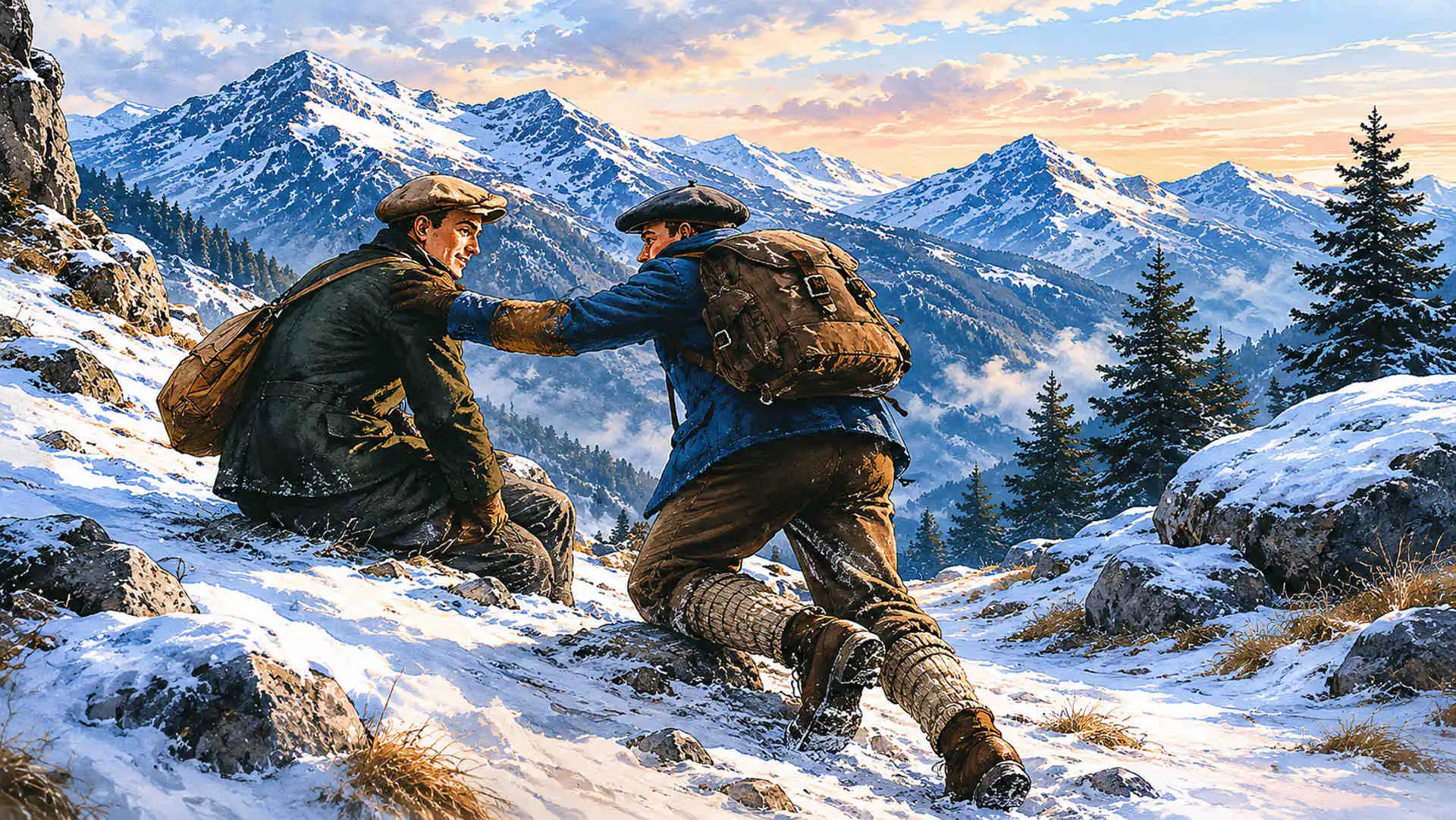
Chemin de la Liberté: The Most Famous WWII Freedom Trail in the Pyrenees
Understanding the route, history, and legacy of one of Europe’s most important wartime escape paths.
The Chemin de la Liberté (“Path of Freedom”) was one of the best-known WWII escape routes across the Pyrenees. Between 1940 and 1944, refugees, Allied airmen, resistance members, and others fleeing Nazi-controlled territory crossed these mountains from France into Spain.
Today, the route remains both a historical trail and a place of remembrance, linking the landscapes of the Pyrenees with stories of survival, courage, and escape.
What Was the Chemin de la Liberté?
The Chemin de la Liberté was a clandestine escape route that crossed the central Pyrenees between southern France and Catalonia. It became one of the most documented and remembered wartime crossings in the region.
Although many escape routes existed throughout the Pyrenees, the Chemin de la Liberté gained particular recognition because of the number of documented crossings, survivor accounts, and later commemorative efforts.
For many people escaping occupied Europe, the route represented one final opportunity to reach freedom.
Where Did the Route Cross the Pyrenees?
The traditional route began near Saint-Girons in the Ariège region of France before climbing into the high mountains toward Spain.
Important locations associated with the trail include Mont Valier, the Estagnous refuge, the Val de Toran, and eventually the valleys leading toward Sort in Pallars Sobirà.
The crossing involved difficult mountain terrain, rapidly changing weather, and the constant risk of arrest. Many travelers completed the route only with the help of local guides familiar with the mountains.
Who Used the Chemin de la Liberté?
The trail was used by a wide variety of people seeking escape from Nazi-controlled Europe.
- Jewish refugees fleeing persecution
- Downed Allied airmen attempting to return to Britain
- Members of resistance organizations
- Young men avoiding forced labor programs
- Political refugees and couriers
Each crossing was different. Some groups consisted of only a few people, while others involved larger escape parties moving through the mountains under extremely difficult conditions.
Why Is the Chemin de la Liberté So Famous?
The Pyrenees contained dozens of escape corridors during WWII, but the Chemin de la Liberté became one of the most widely remembered.
Part of this recognition comes from extensive documentation, survivor testimony, annual memorial events, and ongoing historical research.
Today, it has become a symbol of the wider network of escape routes that crossed the Pyrenees, representing the experiences of thousands of refugees and escapees during the war.
The Route Today
The Chemin de la Liberté is still followed today through organized commemorative crossings and multi-day hikes.
The complete route remains physically demanding. High mountain passes, long distances, and rapidly changing weather require preparation and experience.
For many participants, walking the route is less about hiking and more about understanding the realities faced by those who crossed these mountains during the war.
Chemin de la Liberté and Other Pyrenean Escape Routes
Although the Chemin de la Liberté is the most famous route, it was only one part of a much larger escape network.
Other crossings existed through the Basque Country, Val d’Aran, Andorra, Cerdanya, Banyuls-sur-Mer, Portbou, and many lesser-known valleys across the mountain range.
Together, these routes formed one of the most important escape systems in occupied Europe.
Understanding the Freedom Trail Legacy
The Chemin de la Liberté remains one of the clearest examples of how geography, local knowledge, and human courage combined during WWII.
Its history is not only about a mountain trail. It is about the people who crossed it, the guides who helped them, and the communities that preserved these stories long after the war ended.
For travelers interested in the wider history of WWII escape routes in the Pyrenees, you may also find useful:
Exploring WWII Escape Routes from Barcelona
This private experience follows the landscapes, border crossings, and historical routes connected to the escape networks of the Pyrenees through research-based storytelling.
Explore the WWII Escape Route Tour