
How Long Were WWII Escape Routes in the Pyrenees?
Understanding the distances, duration, and physical reality of wartime crossings.
Most WWII escape routes across the Pyrenees ranged from roughly 20 to 60 kilometers and often required between one and four days to complete.
Distance alone did not determine difficulty. Weather, altitude, patrol activity, food shortages, exhaustion, and navigation challenges often made even relatively short crossings extremely demanding.
Why Route Length Varied So Much
There was no single escape route across the Pyrenees. Different networks operated in different regions, using mountain passes that connected France with Spain and Andorra.
Some crossings focused on speed and discretion. Others required long detours to avoid patrols, checkpoints, or dangerous terrain.
As a result, the distance traveled depended heavily on geography, season, and the specific escape network involved.
Typical Distances of Major Escape Routes
Historical escape routes varied considerably in length.
- Chemin de la Liberté: approximately 60 km
- Port de Salau to Sort routes: approximately 35–40 km
- Persecuted and Saved routes: generally 25–50 km depending on the itinerary
- Andorra crossings: often 15–30 km but involving steep mountain terrain
These figures are approximate because many routes changed according to weather, local contacts, patrol activity, and wartime conditions.
How Many Days Did Crossings Take?
For most escapees, crossing the Pyrenees was not a single-day walk. The journey often required multiple days in the mountains.
- Short crossings: around 1 day
- Average crossings: 2–3 days
- Long crossings: 4 days or more
Many groups moved primarily at night and rested during daylight hours to reduce the risk of detection.
Why These Distances Were So Difficult
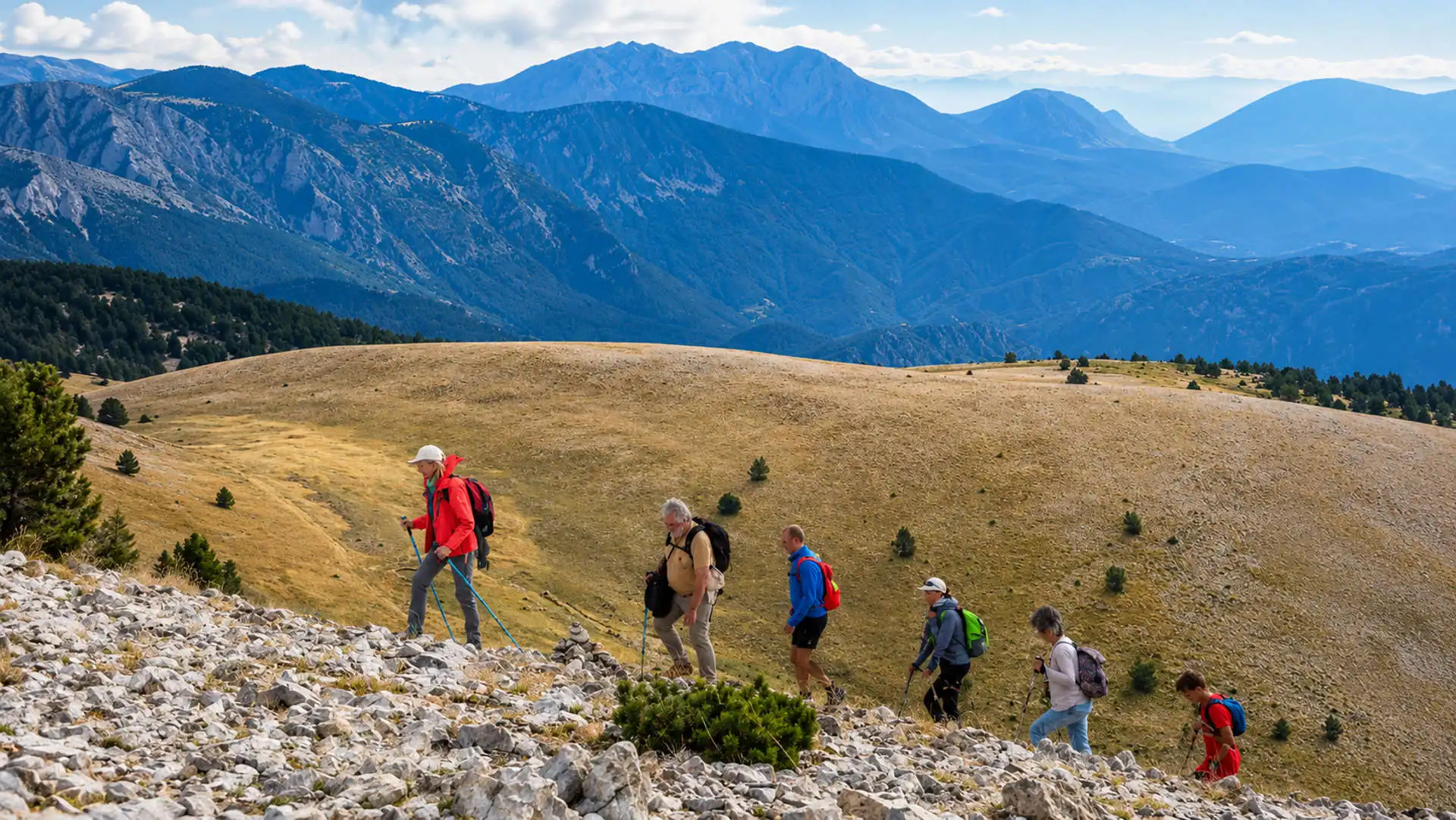
A route of 30 kilometers in the mountains is very different from 30 kilometers on level ground.
Escapees faced steep climbs, rough terrain, snow, rain, cold temperatures, and limited supplies. Many had little mountain experience and were already weakened by persecution, imprisonment, or long journeys across occupied Europe.
The physical challenge was only one part of the experience. Fear of arrest, betrayal, or exposure added constant psychological pressure.
Chemin de la Liberté: A Useful Example
The Chemin de la Liberté remains one of the best-known WWII escape routes in the Pyrenees.
The traditional crossing connected Saint-Girons in France with the valleys leading toward Sort in Catalonia. The route covers roughly 60 kilometers and usually requires around four days of walking.
Today it is commemorated through annual memorial crossings and remains one of the most recognized symbols of wartime escape through the Pyrenees.
Can These Routes Still Be Followed Today?
Some escape routes are now marked and documented. Others survive only through local knowledge, archives, and historical research.
Modern hikers benefit from maps, equipment, weather forecasts, and established trails. Wartime escapees had none of these advantages.
This difference is important when interpreting route lengths. The number of kilometers alone does not capture the difficulty of the original crossings.
Understanding the Reality Behind the Distances
WWII escape routes in the Pyrenees were not remarkable because of their length alone. Their significance comes from the conditions under which they were crossed and the people who risked everything to use them.
Whether a route covered twenty kilometers or sixty, each crossing required courage, local assistance, and an extraordinary determination to reach safety.
For readers exploring the wider history of Pyrenean escape routes, you may also find useful:
Exploring WWII Escape Routes from Barcelona
This private experience follows real escape-route landscapes across the Pyrenees, combining historical context, border geography, and research-based storytelling.
Explore the WWII Escape Route Tour