
WWII Escape Routes Through Spain, France & Andorra
Understanding how three countries became connected through one of Europe’s most important wartime escape corridors.
Many WWII escape routes were not confined to a single country.
Refugees, Allied airmen, resistance members, and political fugitives often crossed occupied France, passed through the Pyrenees, and entered Spain either directly or through Andorra.
Understanding the escape routes requires understanding the geography and political situation of all three territories.
Why the Pyrenees Became an Escape Corridor
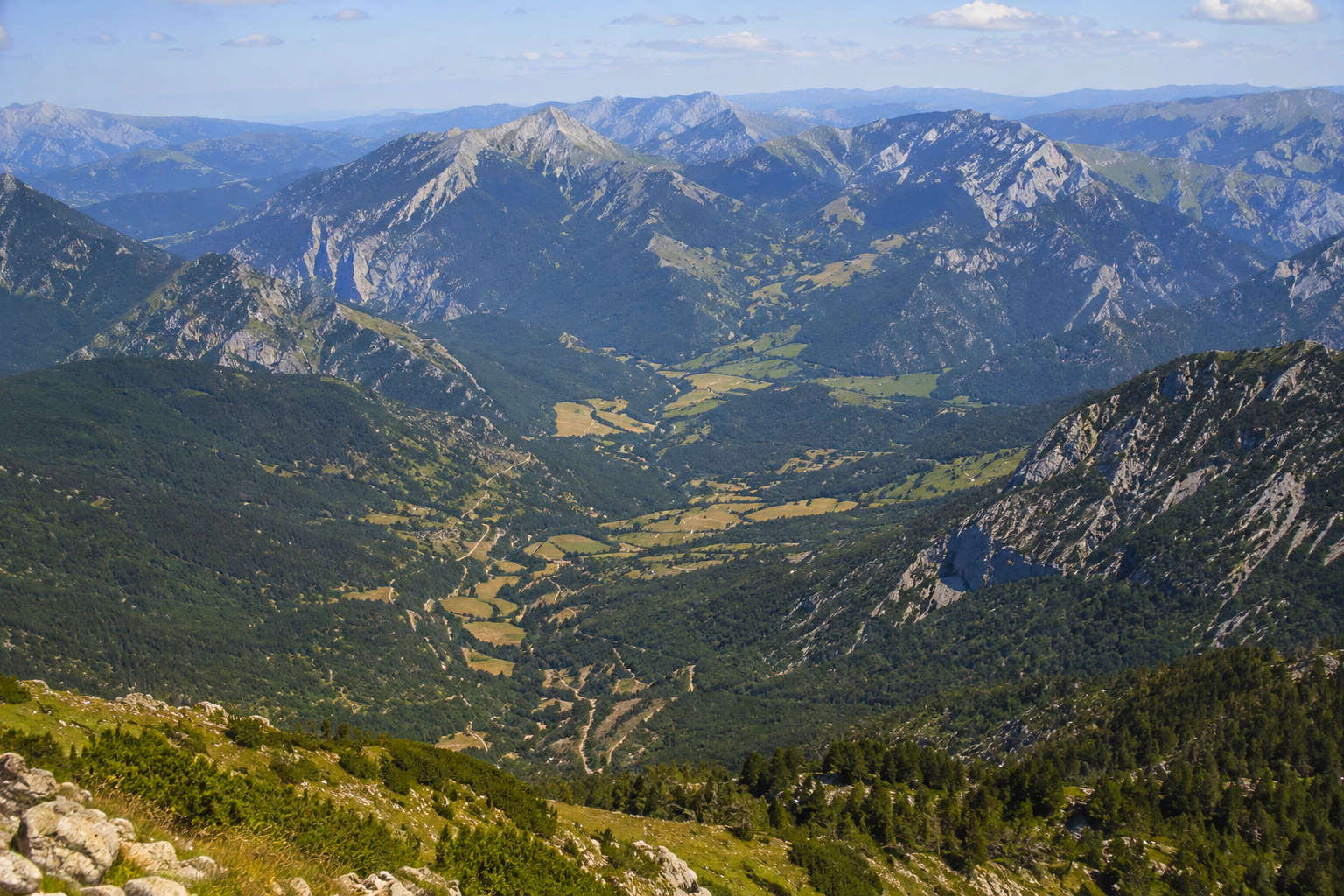
After the German occupation of France, the Pyrenees became one of the few remaining pathways toward freedom.
The mountains formed a natural frontier separating occupied territory from neutral Spain.
Although the crossing was difficult and dangerous, many fugitives viewed it as one of the last realistic opportunities to escape Nazi-controlled Europe.
Over time, a network of routes developed across different sections of the mountain range.
France: The Starting Point for Many Escapes
For most escapees, the journey began in France.
Some were Allied airmen whose aircraft had been shot down.
Others were Jewish refugees, resistance members, escaped prisoners, or young men trying to avoid forced labor.
Before reaching the mountains, many spent days or weeks moving through safe houses, resistance networks, and clandestine transportation systems.
The Pyrenees represented the final stage of a much longer journey.m.
Spain: Neutral but Not Always Simple
Many people assume that crossing into Spain immediately meant safety.
In reality, the situation was more complex.
Although Spain remained officially neutral during the war, refugees who entered illegally could still be detained by authorities.
Some were held in prisons or detention facilities before eventually being released through diplomatic channels, humanitarian organizations, or Allied assistance networks.
For many escapees, reaching Spain marked a major achievement but not necessarily the end of uncertainty.
The Special Role of Andorra
Andorra occupied a unique position within the wider escape-route story.
Located between France and Spain, the small mountain principality sat directly within the central Pyrenees.
Its geography made it relevant to several wartime crossings and clandestine movements.
Andorra was not the destination for most fugitives, but it frequently formed part of the wider landscape through which guides, refugees, and resistance networks operated.
Understanding the central Pyrenees often means understanding Andorra’s place within the region..
Why the Central Pyrenees Were Important
Not all escape routes followed the same path.
Some crossed through the Basque Country.
Others passed through Ariège, Cerdanya, Val d’Aran, Pallars Sobirà, Alt Urgell, or the Andorran frontier.
The central Pyrenees became particularly important because they connected multiple valleys, border regions, and crossing points that could be adapted as wartime conditions changed.
This flexibility helped many escape networks continue operating even when other routes became compromised.
Understanding the Geography Behind the Stories
When reading about famous escape routes such as the Chemin de la Liberté, the Comet Line, or routes used by Jewish refugees, it is easy to focus on individual stories.
However, geography played a decisive role.
Mountain passes, river valleys, border controls, weather conditions, and local knowledge all influenced how escape networks functioned.
The landscape itself became an active part of the escape process.
Why This History Still Matters Today
Today the borders between France, Spain, and Andorra can be crossed freely.
During World War II, however, these frontiers represented hope, uncertainty, and survival.
The escape routes remind us that geography can shape history in powerful ways.
They also reveal how local communities, guides, resistance members, and ordinary citizens helped people move through one of Europe’s most challenging mountain environments.
Understanding the Three-Country Escape Network
The story of WWII escape routes is not the story of a single trail.
It is the story of a wider network that connected France, Spain, Andorra, and the Pyrenees through a combination of geography, courage, and human cooperation.
Understanding these routes requires looking beyond individual crossings and seeing the broader landscape in which they operated.
For further reading:
Exploring WWII Escape Routes from Barcelona
This private experience follows the geography, border regions, and historical context of the escape routes that connected France, Spain, Andorra, and the central Pyrenees during World War II.
Explore the WWII Escape Route Tour