
Can You Explore WWII Escape Routes in a Day?
Understanding the history of the Pyrenean freedom trails without a multi-day trek.
Yes. It is possible to explore and understand the history of WWII escape routes in a single day from Barcelona.
While many famous freedom trails require several days of mountain hiking, a carefully designed day trip can provide historical context, route geography, key locations, and an understanding of how escape networks operated across the Pyrenees.
For many travelers, the goal is not to recreate the crossing itself, but to understand the people, places, and decisions behind these remarkable journeys.
Why Most WWII Escape Route Tours Require Multiple Days
Many of the best-known WWII freedom trails were originally mountain crossings that took several days to complete.
Routes such as the Chemin de la Liberté involve high mountain terrain, long distances, changing weather conditions, and significant elevation gain.
Modern hiking versions of these routes are often organized as multi-day experiences that require physical preparation and favorable seasonal conditions.
For travelers interested primarily in the history, these expeditions may not always be the most practical option.
Understanding the History Without Hiking the Entire Route
One common misconception is that understanding WWII escape routes requires completing the entire crossing on foot.
In reality, much of the historical story can be understood through the landscapes, valleys, border regions, towns, and historical locations connected with the escape networks.
Understanding where fugitives traveled, how guides operated, why certain routes were chosen, and how the geography influenced decisions often provides more context than simply walking a mountain trail.
The focus shifts from physical achievement to historical understanding.
Why a Vehicle-Based Day Trip Can Work Well
A vehicle-based experience allows visitors to explore a much larger geographical area within a single day.
Rather than following one trail for several days, travelers can see multiple locations connected with the wider escape-route story.
This approach helps explain:
- How escape networks operated
- Why specific valleys were used
- The role of border regions
- How guides and passeurs moved people
- Where fugitives stayed before and after crossings
- How Andorra and the central Pyrenees fit into the wider escape system
For many visitors, this broader perspective creates a more complete understanding of the subject.
What About the Actual Freedom Trails?
Most freedom trails remain in remote mountain terrain.
Many sections are inaccessible during parts of the year because of snow, weather conditions, or difficult hiking terrain.
This is one reason why many route-based experiences operate only seasonally.
A vehicle-based historical approach can be offered throughout the year because it focuses on the wider escape geography rather than attempting to recreate a full mountain crossing.
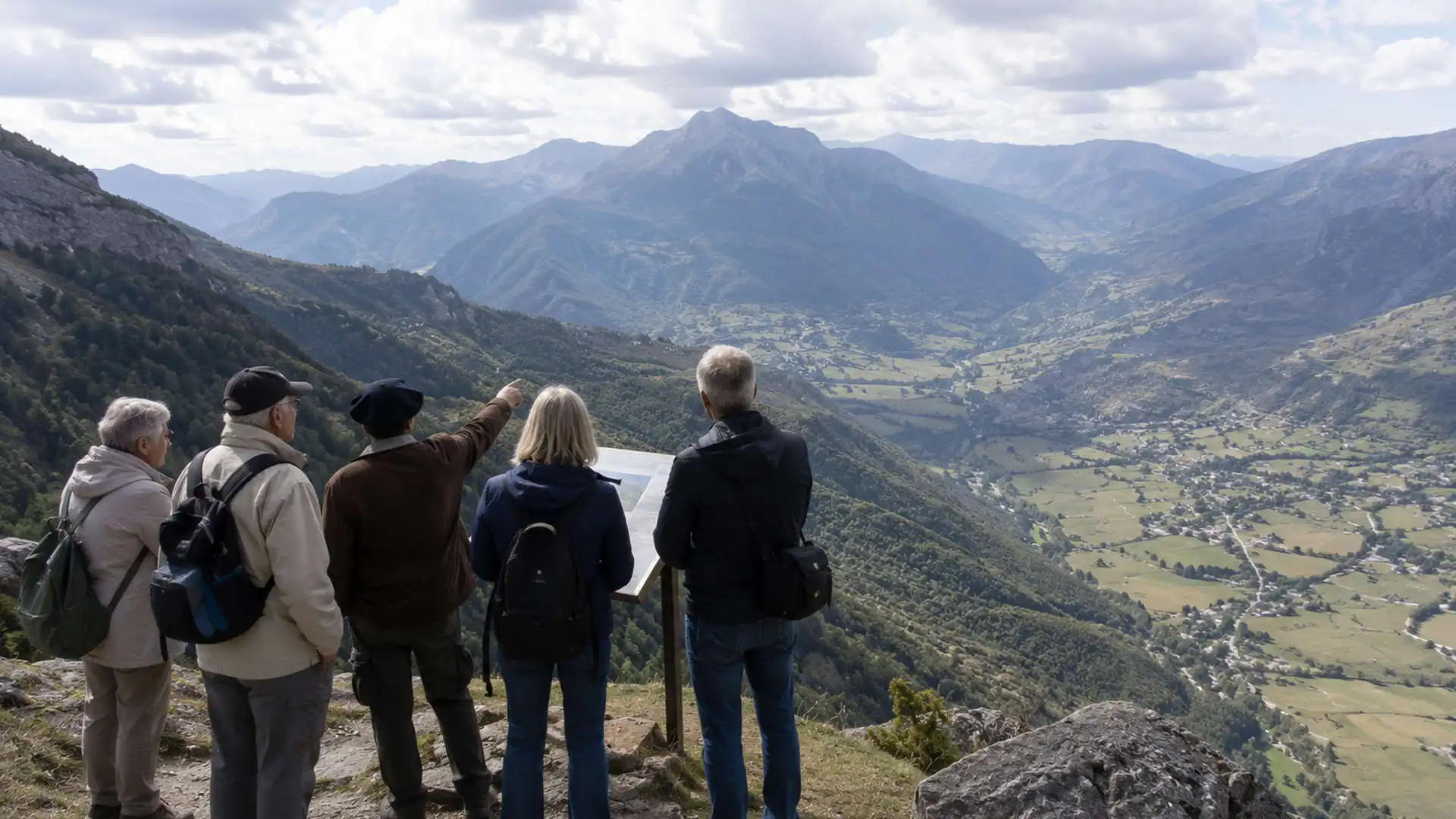
Where conditions allow and visitors are interested, short walks or viewpoints can help illustrate parts of the historical routes. However, the primary goal remains understanding the story rather than completing the trail itself.
What Will You Actually See?
Visitors should think of the experience as an exploration of the historical landscape.
The focus is not on discovering hidden farmhouses or remote mountain shelters that require extensive hiking access.
Instead, travelers learn:
- How escape routes functioned
- Why certain valleys were chosen
- How fugitives moved between regions
- Where guides organized crossings
- How Andorra became part of the wider escape network
- What challenges refugees and Allied airmen faced
The landscape itself becomes part of the explanation.
Mountain passes, border regions, valleys, and towns help illustrate how these journeys unfolded.
Does the Experience Include Andorra?
Yes.
Many escape stories connected directly or indirectly with Andorra and the surrounding central Pyrenees.
As a result, visitors also gain exposure to parts of Andorra and nearby regions that played a role in wartime movements across the mountains.
However, travelers should view this as a WWII-focused experience rather than a comprehensive tour of Andorra.
The historical context remains the central theme throughout the day.
A Different Type of Historical Tour
This style of experience differs from many traditional sightseeing tours.
Rather than spending long periods at individual attractions, the day is built around understanding a larger historical story.
Explanations often begin during the journey between locations and continue at viewpoints, towns, border regions, and historical sites.
Short stops help place the narrative into its geographical context before continuing to the next chapter of the story.
For travelers who enjoy learning, listening, and connecting events across a wider landscape, this approach creates a deeper understanding of the escape routes and the people who used them.
Is a Day Trip Enough to Understand the Escape Routes?
For many travelers, yes.
A single day cannot recreate a multi-day wartime crossing, but it can provide a strong understanding of the landscapes, routes, escape networks, and human stories that shaped the Pyrenean freedom trails.
The experience is particularly well suited to visitors who are interested in the history itself and want to understand how these escape systems operated without undertaking a demanding mountain trek.
Exploring WWII Escape Routes from Barcelona
This private experience is designed for travelers who want to understand the history of the Pyrenean escape routes through landscape, border geography, and research-based storytelling without undertaking a multi-day trek.
Explore the WWII Escape Route Tour